


Why Winter Moorland Walks Are Worth the Cold
Seasons & Conditions | September 7, 2026
Most people pack away their boots when the clocks go back. The moor empties, the car parks thin out, and the landscape settles into its quietest season. That is exactly why winter walking on the moor is worth the effort. It is not comfortable, and it is not for everyone, but it offers something the summer cannot.
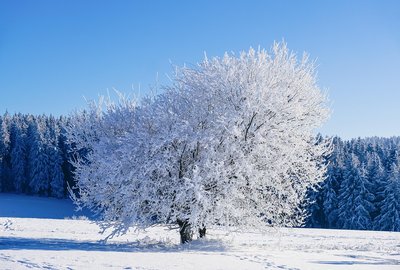
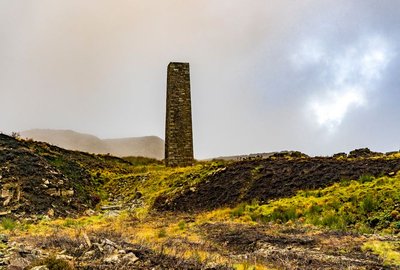
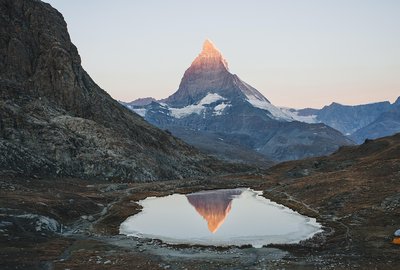
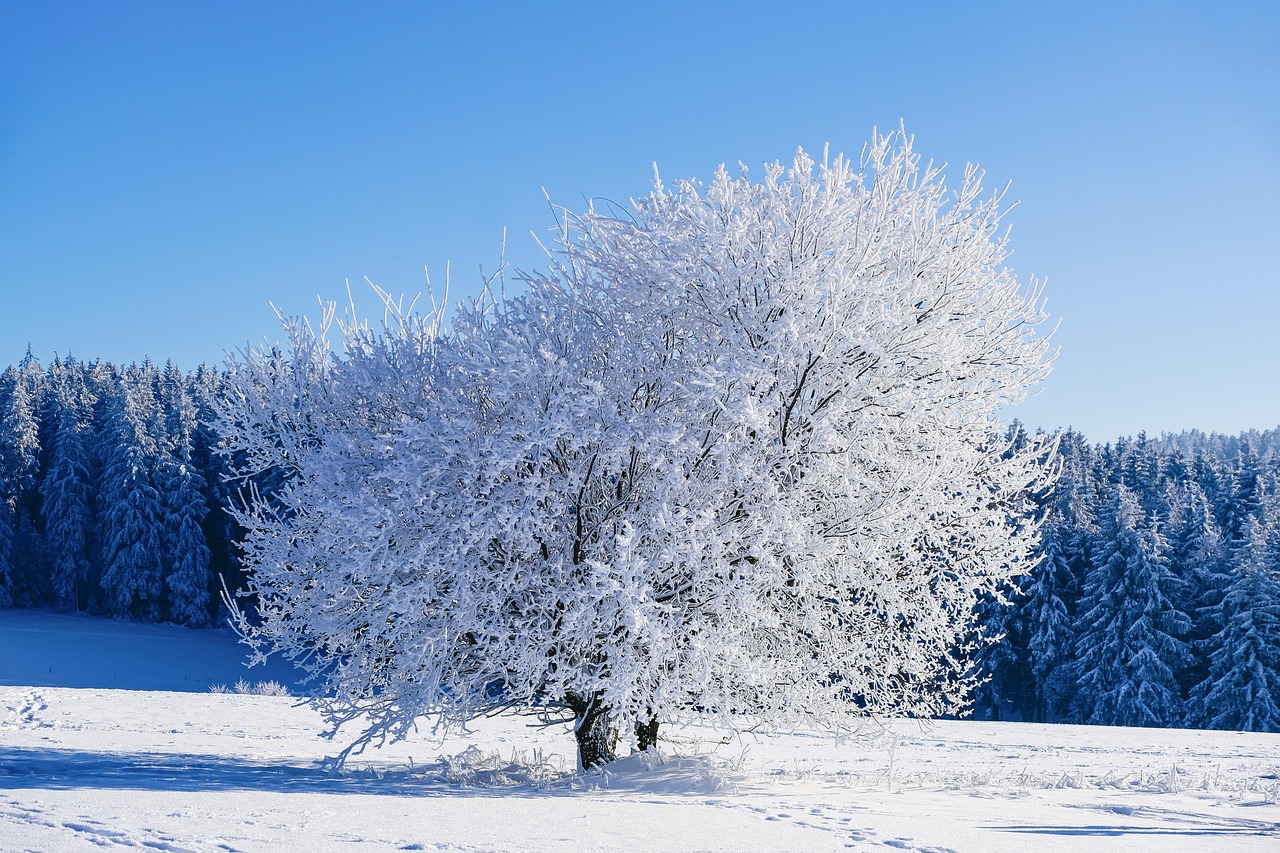
The first thing you notice is the light. Low sun, long shadows, and a quality of brightness that cuts through the grey. Frost on heather, ice in the peat pools, and a sky that seems bigger without summer haze. On a clear winter day, the views stretch further than you remember the landscape could.
What Changes in Winter
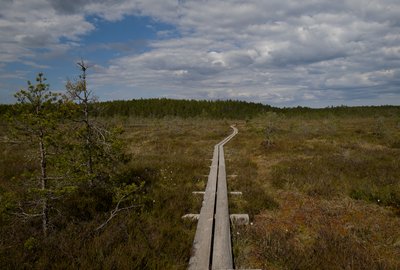
The ground changes too. Bogs that would swallow a boot in autumn firm up in a hard frost, and paths that were muddy become crisp underfoot. That can make winter the easiest time to cross ground that is awkward the rest of the year. It also makes it more treacherous. Ice on rock and frozen puddles hide the same hazards as before, and a slip on a frozen track hurts just as much as one on wet grass.
Daylight is the big constraint. A winter moor day is short, and the light fades quickly in the afternoon. Plan routes that fit comfortably into the available hours, start early, and carry a headtorch even if you intend to be back well before dark. Being caught out on open ground at dusk in winter is a genuinely serious situation, not a minor inconvenience.
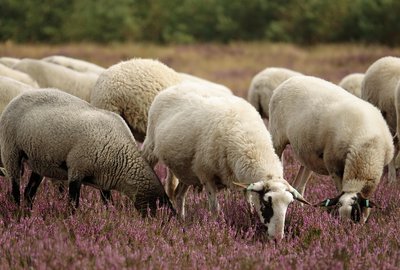
The wildlife is different as well. Some birds arrive for the winter, others gather in flocks, and the moor can feel busier with animal life even as it empties of people. Tracks in frost or snow tell you what has been moving while you were away. If there is snow on the ground, the whole landscape becomes a page of stories.
Staying Warm and Safe
Layers matter more in winter, but so does managing them. Start slightly cool, warm up as you move, and add a layer before you stop. Sweat is the enemy. If you get wet from the inside, you will chill quickly the moment you slow down. A spare insulating layer in the pack, kept dry, is worth its weight on any winter day.
Hands and feet need attention. Gloves that let you use a map without taking them off, and boots with room for a thicker sock, make a bigger difference than any technical fabric. A flask of something hot turns a bleak lunch stop into a small celebration.
Tell someone where you are going and when you expect to be back, and stick to your plan. Winter has less margin for error, and the moor is quieter, which means help is further away if something goes wrong. Go prepared, go early, and go with someone if you can. The reward is a version of the moor that most walkers never see.


-

-

-
Reading the Moor: How to Navigate Featureless Peatland Without a Path
Sep 15, 2026Seasons & Conditions

Open Moor Post
When the trail vanishes and every tussock looks the same, these old-school techniques will keep you found.