

How to Read a Weather Forecast Before a Moorland Walk
Skills & Safety | September 16, 2026
Most walkers check the weather. Far fewer read it properly. The forecast app gives you a number and a picture, and it is tempting to treat that as the whole story. On moorland, though, the same forecast means very different things depending on wind direction, elevation and how far you are from shelter. Learning to interpret it is one of the most useful skills you can build.
Start with wind. On open ground, wind is the factor that shapes your day more than rain or temperature. A steady twenty miles per hour is manageable on a lowland path but exhausting on an exposed ridge, and it makes a cold day genuinely dangerous. Check the direction as well as the speed. A headwind on the way out means a tailwind home, which sounds like a bonus until you realise you will be walking into it if you turn around.
Cloud, Visibility and the Shape of the Land
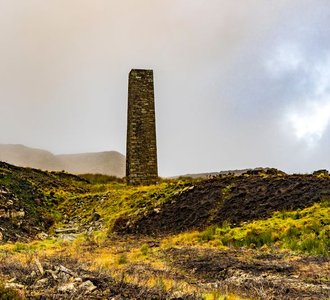
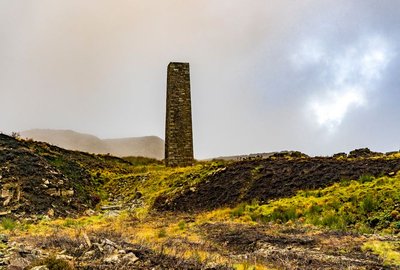
Cloud base is the number most people ignore and the one that changes plans. If the cloud is sitting low over the hills, visibility on the tops can drop to a few dozen metres, and a pathless moor becomes a very different proposition. Look at the height of the terrain you plan to cross and compare it with the forecast cloud base. If they are close, expect to navigate by compass rather than by eye.
Rain forecasts need context too. A high chance of light drizzle is a different day from a lower chance of heavy showers. Showers pass, and you can often time a break around them. Persistent rain soaks the ground, fills the boggy hollows and makes every stream crossing more serious. Pay attention to how much rain has fallen in the days before your walk, not just on the day itself.
Temperature is the easiest to misjudge. The forecast for the nearest town might read twelve degrees, but add elevation, wind chill and the fact that you will be wet, and it can feel closer to freezing. Wind chill charts are worth a glance before you decide what to wear and what to pack.
Turning a Forecast into a Decision
The point of all this is not to become a amateur meteorologist. It is to make a call. Ask yourself what the walk looks like in the worst version of the forecast, not the best. If the answer is a miserable but safe day out, go. If the answer involves navigating off a featureless plateau in low cloud and strong wind, pick a lower route or a different day.
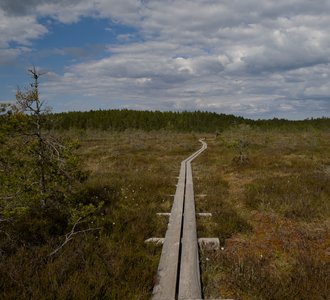
It also helps to know your escape routes. On a moor, that might mean a track, a forest edge or a valley that leads somewhere. Knowing where you can bail out lets you start the walk with more confidence and turn back without drama if the weather shifts.
Forecasts are guidance, not guarantees. The moor has its own microclimate, and conditions change faster than any app updates. Read the forecast carefully, then look out of the window, then look at the sky when you get there. All three together will serve you better than any single screen.
-
Reading the Moor: How to Navigate Featureless Peatland Without a Path
Sep 18, 2026Seasons & Conditions

-

-


Open Moor Post

Moorland recovers slowly, so small decisions about where you walk, camp and eat add up to a real difference.