
Dawn on the Moor: Why the First Hour Beats Every Other
Wild Camping | September 28, 2026
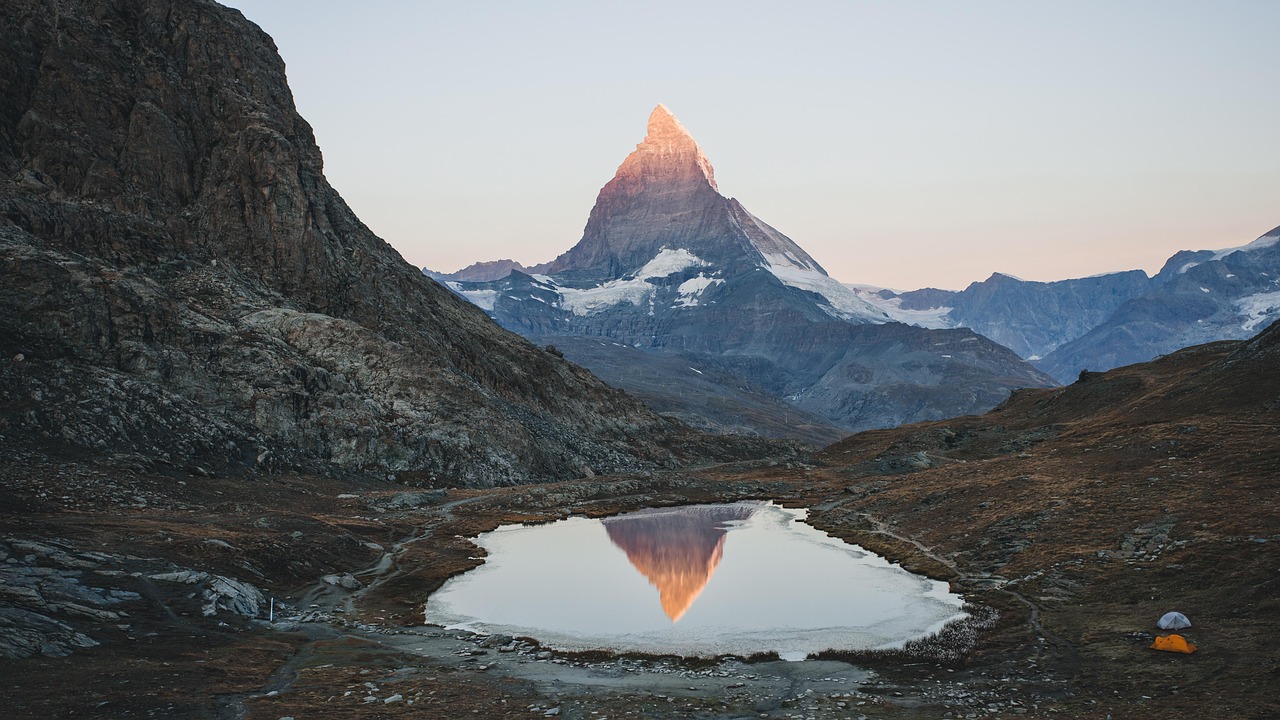
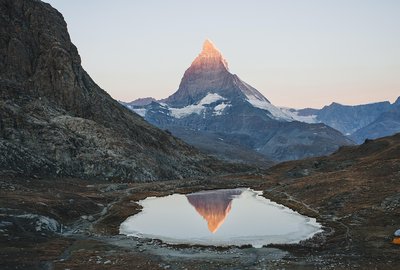
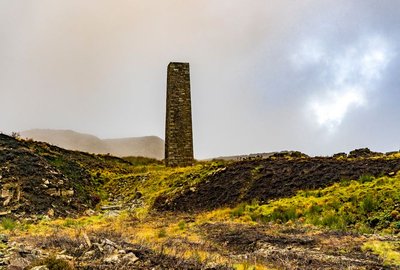
There is a particular silence on a moor just before dawn. It is not the absence of sound so much as the absence of everything else: no traffic, no voices, no light except the slow grey turning of the sky. If you have only ever walked moors in the middle of the day, you have missed their best hours.
Wild camping on open moorland is legal in some places and tolerated in others, but the practicalities are much the same wherever you pitch. Find level, well-drained ground away from watercourses and paths. Avoid hollows, which collect cold air, and exposed ridges, which collect wind. A spot with a slight rise and a natural windbreak of heather or rock is ideal.
Camping Light and Leaving No Trace
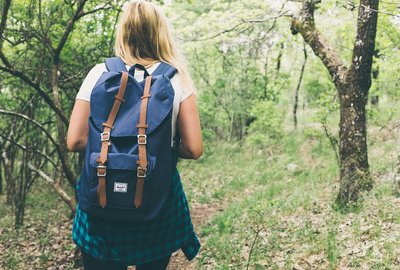
Moorland camping rewards a light pack. The ground is often rough, so every extra kilo tells by evening. A three-season tent or a well-pitched tarp will handle most conditions, but check the forecast for wind, which is the real enemy up here. Pegs need to hold in peat, so bring longer ones than you would for grassy campsites, and use rocks to weight guylines where the ground is soft.
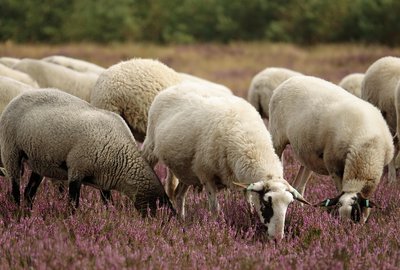
Water from moorland streams looks clean but should always be filtered or boiled. Sheep graze widely across the uplands, and what looks pristine upstream may not be. Carry out everything you carry in, including food waste and, yes, used toilet paper. Bury human waste at least 30 metres from water and paths, and ideally much further.
Fires are a bad idea on peat, which can smoulder underground for days and cause serious damage. A small gas stove is the responsible choice. Keep noise low, and if you are in an area with ground-nesting birds, avoid camping on open moor between spring and midsummer.
The Reward at First Light
Set your alarm for an hour before sunrise. Brew something hot, unzip the tent and watch the moor come alive. Mist often sits in the hollows at first light, and the low sun turns it gold. Birdsong starts on the edges and spreads inward. If you are lucky, you will see deer, hares or a hunting owl returning from the night.
Walking in that first hour is a different sport entirely. The ground is firmer after a cold night, navigation is easier in flat light, and you have the whole day ahead of you. By the time the day-trippers arrive, you will already have had the best of it.
Dawn on the moor does not need to be dramatic. It just needs to be early.


Open Moor Post
Moorland weather changes fast, and the right layering system matters more than any single jacket.