



Layers for the Moor: What Actually Works in Wind and Wet
Gear & Kit | September 25, 2026

Ask ten moorland walkers what jacket to buy and you will get ten answers, most of them expensive. The truth is that no single piece of kit solves the moor. What works is a system: a set of layers you can add and remove as the weather swings from sunny to horizontal rain and back again, often within an hour.
Start with your base layer. On a moor, cotton is the enemy: once it gets wet it stays wet and pulls heat from your body. Merino wool or a synthetic fabric will wick sweat away and dry quickly. In summer, a light long-sleeved top protects against sun and midges. In winter, a heavier weight merino layer is worth the cost.
Mid Layers and the Wind Problem
The mid layer is where you trap warmth. A fleece or light synthetic jacket works for most conditions, but a thin down or synthetic-filled jacket packs small and adds serious warmth for very little weight. The key is versatility: you want something you can strip off without stopping for long, because on exposed ground you cool down fast when you stop moving.
Wind is the thing people underestimate most. A moor can be calm in the valley and brutal on the ridge, and wind chill strips heat faster than rain. A lightweight windproof shell, worn over your mid layer, is often more useful than a full waterproof when the sky is merely threatening. It breathes better, weighs less and dries faster.
Then comes the waterproof. It needs to be genuinely waterproof, not shower-resistant, because moorland rain is persistent and often driven sideways. Look for taped seams, a hood that adjusts and stays up in wind, and pit zips so you can vent without removing the jacket. Breathability matters, but no membrane keeps up with a hard climb in full waterproofs, so manage your pace and vent when you can.
Legs deserve the same treatment. Walking trousers that dry fast and shed wind are better than heavy cotton or jeans. In winter, add a waterproof over-trouser. Gaiters are unfashionable and genuinely useful: they keep heather, bog water and grit out of your boots.
Feet, Hands and the Small Things
Boots should be waterproof, supportive and broken in. On peat and rough ground, ankle support matters more than on manicured trails. Bring spare socks, because wet feet are the fastest route to a miserable day. Gloves and a hat live in your pack year-round on the moor, even in July.
Finally, carry a small repair kit and a spare layer in a dry bag. Moorland weather does not negotiate, and the walker who is warm, dry and prepared is the one still smiling at the end.


-

-
Reading the Moor: How to Navigate Featureless Peatland Without a Path
Sep 18, 2026Seasons & Conditions

-
Bogs, Hags and Boot-Sucking Mud: A Walker's Guide to Peatland Terrain
Sep 25, 2026Navigation Skills


Open Moor Post
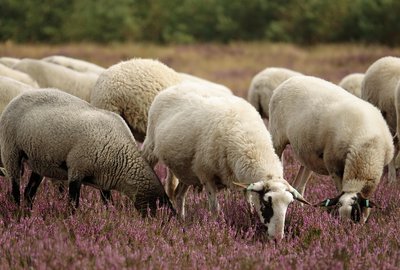
Moorland animals are shy, well-camouflaged and worth slowing down for.