
The Quiet Life of the Moor: Wildlife You Might Actually See
Wildlife & Nature | September 22, 2026
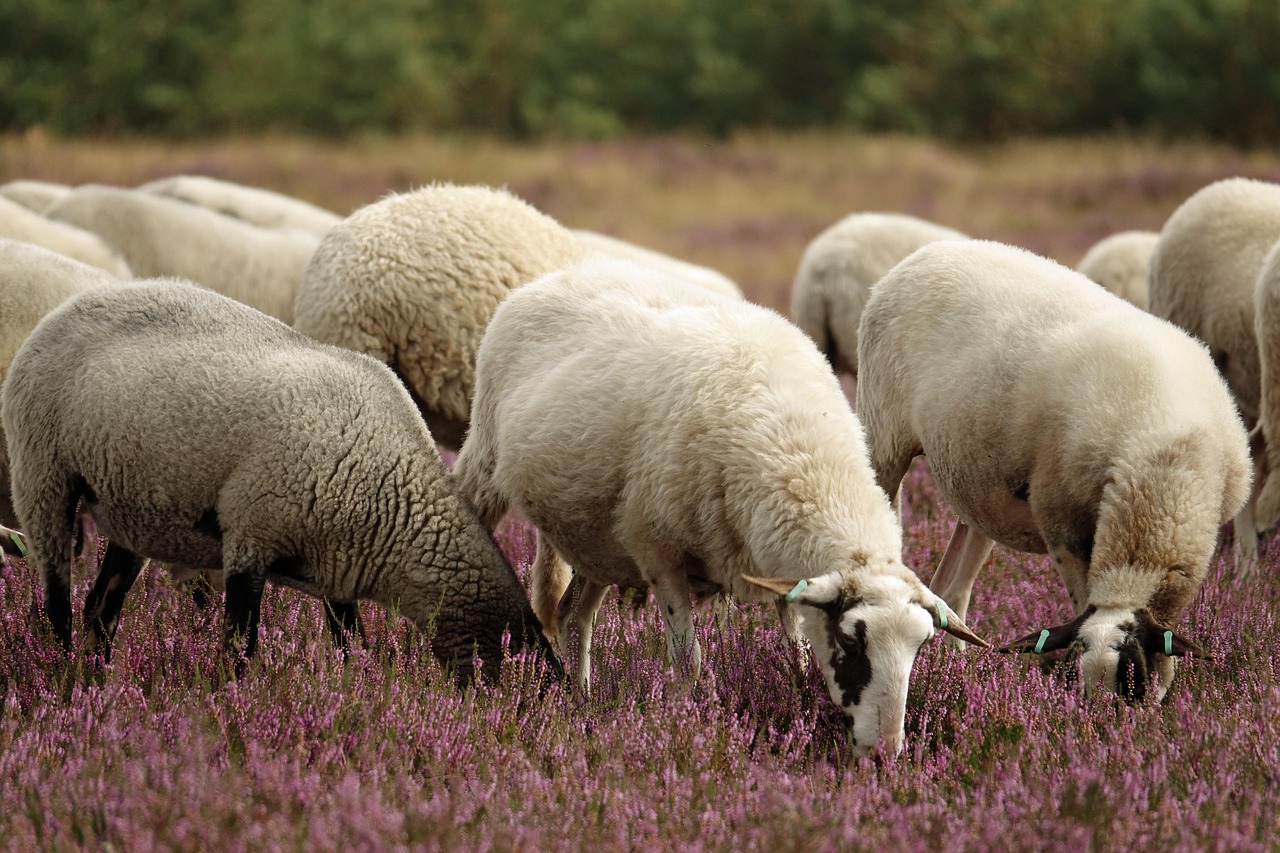
Moorland wildlife does not announce itself. There are no herds of grazing animals lining the path, no convenient viewpoints where something photogenic poses. What lives up here is adapted to openness, which means it is either fast, hidden or both. Seeing it takes patience, quiet and a willingness to walk slowly.
The birds are the most rewarding place to start. Curlews, with their long curved bills and haunting calls, nest on open moor in spring. Lapwings tumble overhead, their broad wings and peewit call unmistakable. Golden plover, ring ouzel and merlin all favour upland ground, though merlins are small and fast enough that most sightings are a blur and a guess. Red grouse are easier: flush one and it will rocket away low over the heather, calling as it goes.
Mammals, Reptiles and the Art of Not Being Seen
Mammals on the moor are mostly nocturnal or crepuscular. Mountain hares, which turn white in winter, are more visible than most, especially on late snow. Foxes and stoats hunt the edges, and deer move between woodland and open ground at dawn and dusk. If you walk quietly at first light, your chances improve dramatically.
Adders are the moorland reptile most people worry about and least often see. They bask on warm rocks and tussocks in spring, and will flee long before you get close. Give them space, watch where you put your hands and feet, and they are no threat at all. Common lizards are far more numerous and almost as skittish.
Insects are the unsung heroes of the uplands. Emperor moths, northern eggar caterpillars and a host of bees and beetles depend on heather, cotton grass and bilberry. In late summer, the moors hum with them, which is a good sign that the habitat is healthy.
Watching Without Disturbing
The single most important rule is to give wildlife space, particularly in spring and early summer when birds are nesting on the ground. A flushed hen harrier or curlew may abandon its nest if disturbed repeatedly. Keep to paths where they exist, keep dogs on leads around ground-nesting birds, and use binoculars rather than your feet to get closer.
Avoid feeding anything, however tame it seems. Human food harms moorland animals and encourages dependency. If you find an injured bird or animal, report it to the landowner or a wildlife trust rather than intervening yourself.
Slow down, sit still for twenty minutes, and the moor will start to show you what lives there. Most of it was watching you long before you noticed it.


Open Moor Post
A practical packing list for moorland day walks, built around the weather that actually turns up rather than the forecast you hoped for.