


Leave No Trace on the Moor: Practical Habits That Actually Matter
Conservation | September 13, 2026
Moorland looks robust. It is wide, open and often empty, and it is easy to assume that a few boot prints or a stray apple core will vanish without consequence. In reality, the ground up there is fragile and slow to heal. Peat takes centuries to form, and a single careless footprint in the wrong place can scar a bog for years. Walking lightly is not about being precious. It is about keeping the place worth walking.
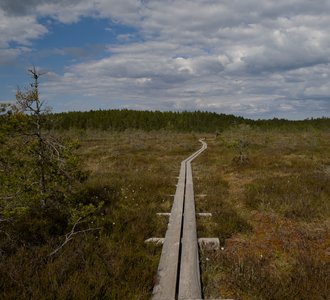
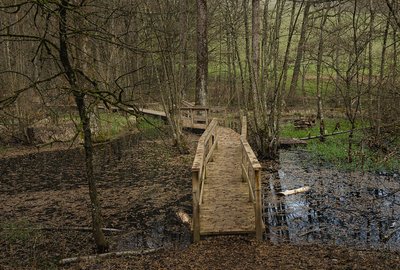
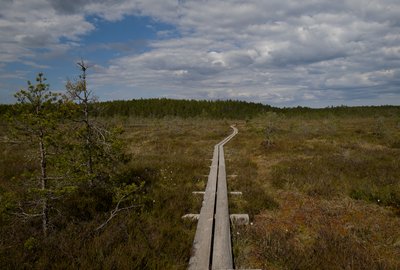
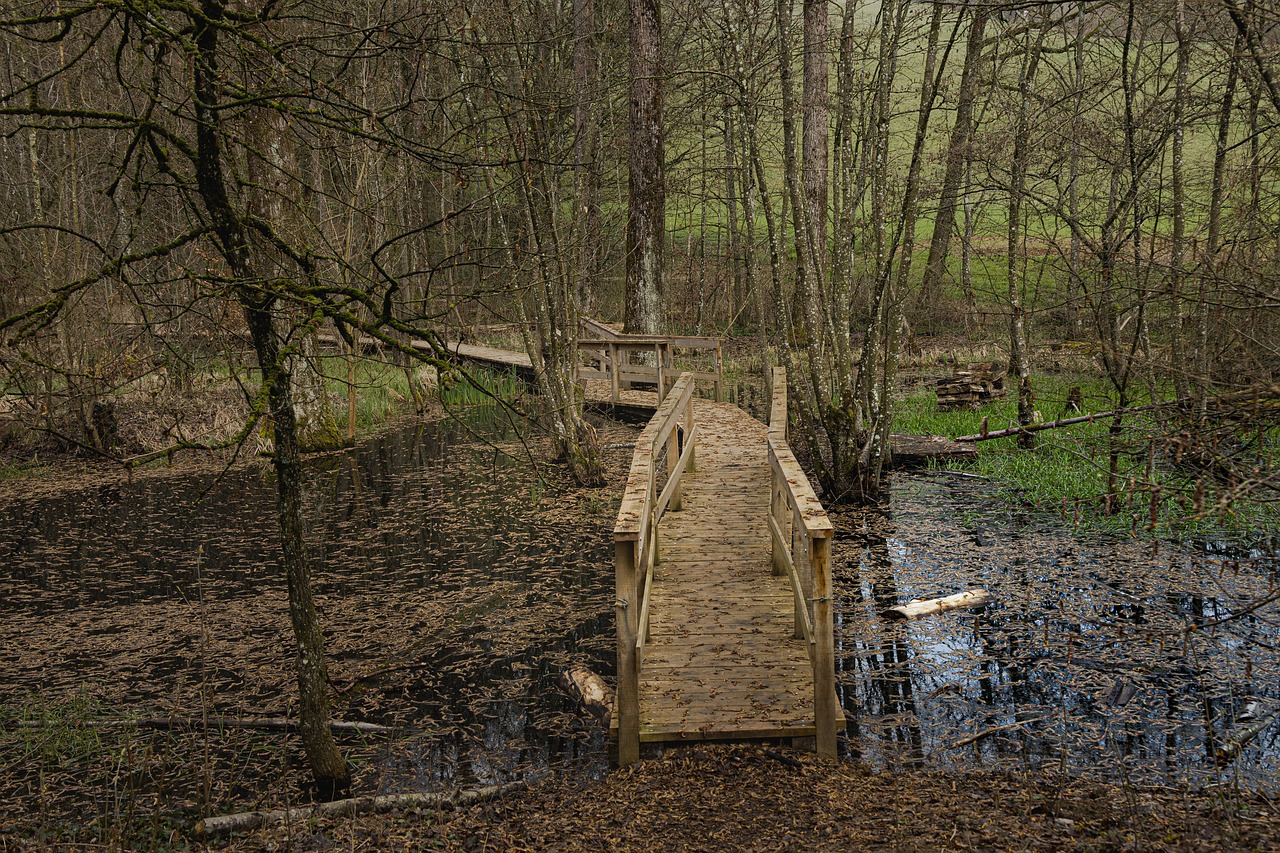
The first principle is simple: stay on the path where one exists. On popular moors, paths are there for a reason. They concentrate wear on ground that can take it, and they protect the delicate vegetation either side. When paths are muddy, resist the urge to walk around the edge. That widening spreads the damage and turns a narrow trail into a boggy scar. Walking straight through the mud, in decent boots, is usually the kinder choice.
Where You Walk and Where You Rest
Where there is no path, the ground itself tells you where to tread. Heather, bilberry and tough grasses cope reasonably well with occasional footsteps. Sphagnum moss, cotton grass and bare peat do not. If you can, spread out rather than following in a line, so no single strip takes all the pressure. Avoid obvious wet hollows and hag edges, which are both the most fragile and the most likely to swallow a boot.
Rest stops matter too. Sitting down compresses vegetation, and a popular lunch spot can end up bare and eroded within a season. Look for a rock, a dry patch of heather or a fallen log rather than clearing a comfortable seat in the moss. If you stop for a while, move on before you settle in.
Everything you carry in comes out with you. That includes the obvious litter and the less obvious items: orange peel, apple cores, tea bags and nutshells. They do not break down on a moor the way they might in a garden compost heap. They look out of place, they attract scavengers, and they are litter, whatever the intention behind dropping them.
Fires, Wildlife and the Wider Picture
Open fires are almost never appropriate on moorland. Even where they are not banned, the risk of a ground fire in dry peat or heather is real and the damage is catastrophic. A small stove is safer, faster and easier to manage. If you are camping, choose a spot that has clearly been used before, or better still, camp low and leave the high moor to the wildlife after dark.
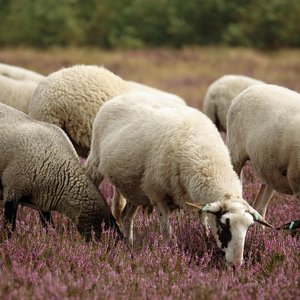
Give wildlife space. Ground-nesting birds, adders, lizards and the occasional roosting owl all depend on the moor being left alone. Keep dogs close and under control, especially in spring and early summer. If an animal changes its behaviour because you are there, you are too close.
None of this requires heroics. It is a set of small habits that become automatic with practice. The reward is a moor that still looks and feels wild the next time you visit, and the time after that.


Open Moor Post
Everything a newcomer needs to know before stepping off the path and onto the open moor.