




Reading the Moor: How to Navigate Featureless Peatland Without a Path
Navigation Skills | October 4, 2026
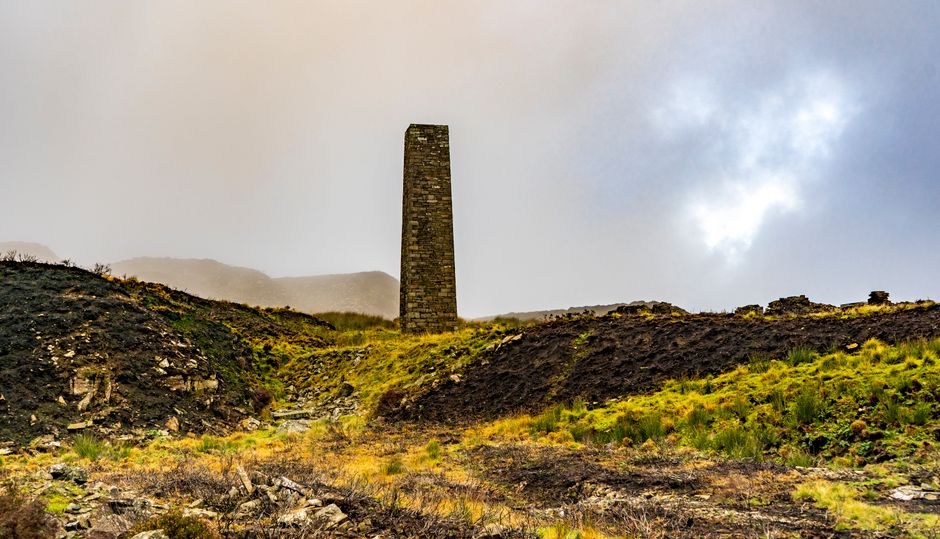
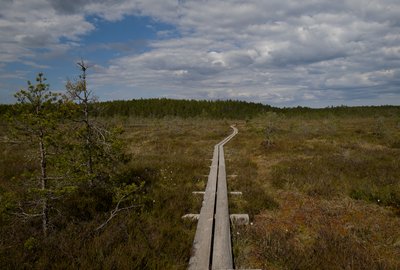
There is a moment on every moorland walk when the path simply stops. One minute you are following a decent trod through the heather, the next you are standing on open peat with nothing but horizon in every direction. For newcomers this is unnerving. For those who walk moors regularly, it is the whole point.
Navigating featureless ground is a skill, not a talent, and it rests on a handful of habits that anyone can learn. The first is slowing down. Most navigational errors on open moor happen because people keep walking at trail pace while their brain is still catching up. When the path disappears, stop. Get the map out. Confirm where you actually are before you take another step, not where you assume you should be.
Using Terrain, Not Just Compass Bearings
A compass bearing is only half the story. The land itself is full of quiet signposts if you know what to look for. Drainage patterns are the most reliable: water on a moor almost always runs downhill, so the direction of a small stream or peat gully tells you which way the slope falls. Follow that logic and you can often work out your position without pacing a single step.
Vegetation helps too. Heather tends to dominate drier, better-drained ground, while cotton grass and sphagnum moss signal wetter hollows. On many moors, the boundary between the two roughly follows the contour, giving you a rough line to follow even when visibility drops. Add in the shape of the skyline, the position of any plantation edges, and the lie of distant ridges, and you have a surprisingly detailed picture.
Pacing and timing still matter. Knowing your pace count over 100 metres on rough ground, and checking it against the map every so often, keeps small errors from becoming big ones. In mist, shorten your legs between checkpoints. Aim for features you can actually find, like a stream junction or a boundary stone, rather than vague targets like a distant summit.
What to Do When the Mist Comes Down
Moorland mist arrives fast and flattens everything. When it does, resist the urge to push on hopefully. Either navigate deliberately with map, compass and pacing, or stop and wait it out somewhere sheltered. Walking blind across peat hags is how people twist ankles, lose bearings and end up in bog pools.
Keep your map in a waterproof case and your compass on a cord. Practice bearing-taking on clear days so it becomes automatic when you cannot see. And always tell someone your route and expected return. The moor rewards preparation and punishes assumption, in roughly equal measure.
Learn to read the ground and the path becomes optional. That is when moorland walking turns from a route march into something closer to a conversation with the landscape.


-

-

-
Bogs, Hags and Boot-Sucking Mud: A Walker's Guide to Peatland Terrain
Sep 15, 2026Seasons & Conditions

Open Moor Post

Peatland is beautiful, fragile and occasionally out to trip you up. Here is how to cross it sensibly.