
A First-Timer's Guide to Walking on Open Moorland
Skills & Safety | September 10, 2026
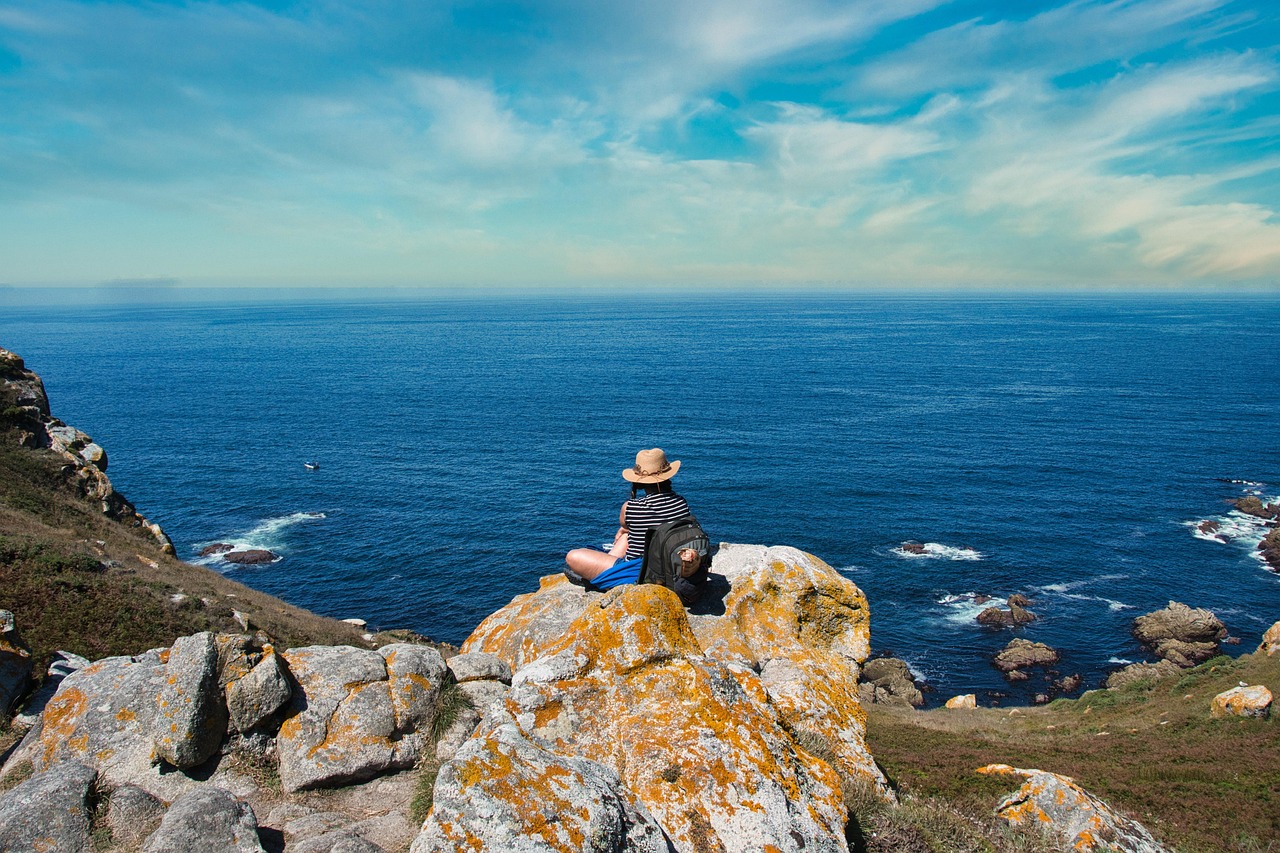
Open moorland has a reputation. People talk about bogs, navigation and weather, and it can sound like a hostile place reserved for experienced hillwalkers. In truth, it is one of the most rewarding landscapes to walk in, and with a bit of preparation, a first visit can be a joy rather than an epic. Here is what to know before you go.
Pick your first route carefully. A short, well-defined walk on the edge of the moor is a much better introduction than a long crossing of a featureless plateau. Look for routes that follow a clear path, stay reasonably low, and offer a straightforward way back. Save the big crossings for when you have some miles and some navigation under your belt.
Understanding the Ground Underfoot
Moorland terrain is uneven in a way that lowland paths are not. Tussocks of grass, heather roots and hidden holes mean every step is slightly different, and the pace you manage on a country lane will not translate directly. Expect to walk slower, especially at first, and build in extra time. Ankle strength and a bit of balance help, which is one reason trekking poles are popular on the moor. They save your knees on the descents and give you a third point of contact on rough ground.
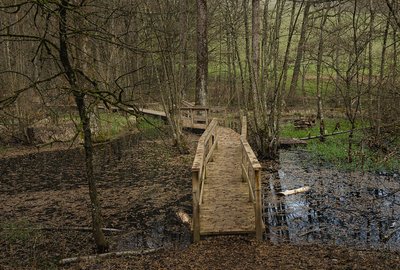
Bogs are the famous hazard, but they are less dramatic than the stories suggest. Most boggy ground is simply wet and tiring. The dangerous kind, where you can sink deeply, is usually visible as dark, bare peat or vivid green sphagnum. Step around it, test uncertain ground with a pole, and if you do go in, stay calm, get out, and keep moving so you do not chill.
Streams and drainage ditches, called groughs in some areas, can be deeper than they look and awkward to cross. Look for a spot where the banks are stable and the water is shallow, and take your time.
Staying Found and Staying Comfortable
Navigation on the moor is about knowing where you are at all times, not just when you get lost. Keep the map out, check it often, and match what you see to what is drawn. Distinctive features are sparse, so use everything: the angle of the sun, the slope of the ground, the sound of water, the direction of the wind. If you are not confident with a map and compass, learn before you go, or walk with someone who is.
Comfort is what turns a hard day into a good one. Eat and drink before you feel hungry or thirsty, and keep an eye on the time. Turn around early if the weather is worse than forecast or you are moving slower than planned. The moor will still be there next weekend.
Most of all, give yourself permission to enjoy the strange, quiet beauty of the place. The wide skies, the call of a curlew, the smell of wet peat. That is what brings people back.


Open Moor Post
Shorter days and biting wind come with a moor that is quieter, sharper and strangely beautiful.