

Bogs, Hags and Boot-Sucking Mud: A Walker's Guide to Peatland Terrain
Terrain & Safety | October 1, 2026
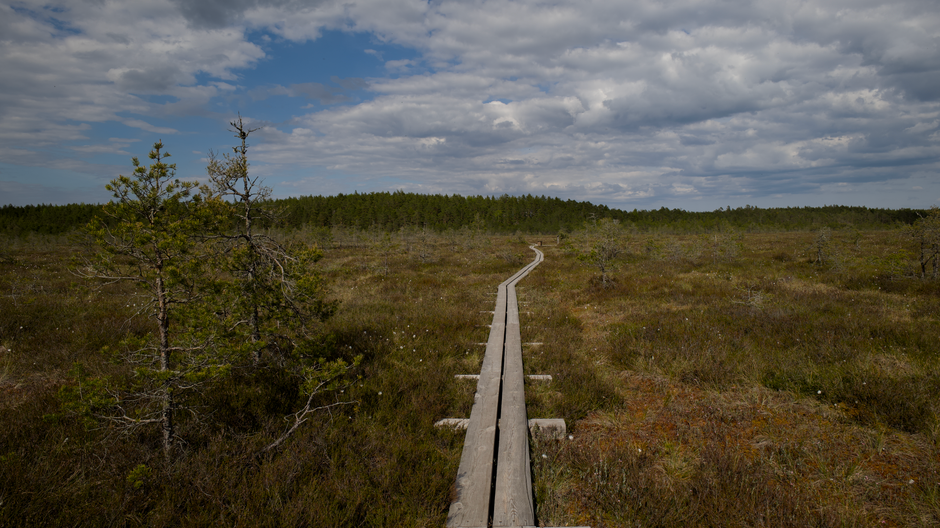
Peatland gets a bad reputation among walkers, and honestly, some of it is deserved. There is nothing quite like the sensation of a boot disappearing into black ooze to sour an otherwise lovely afternoon. But bogs and hags are also among the most remarkable habitats in the uplands, and learning to move through them well changes the whole experience.
The first thing to understand is that peat is not uniform. It forms in layers over thousands of years, and its surface is a patchwork of firm hummocks, soft hollows and everything in between. The trick is reading which is which before you commit your weight.
Recognising the Ground Underfoot
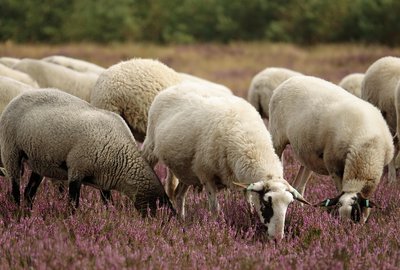
Bright green moss, especially sphagnum, usually means wet. Purple moor grass and heather tend to grow on firmer, drier ground. Cotton grass, with its white tufts, is a reliable indicator of boggy hollows. Peat hags, those eroded banks of exposed peat, are often the hardest going: the tops can be firm while the sides crumble, and the gullies between them hold water.
When crossing suspect ground, test each step before transferring your weight. A trekking pole is invaluable here, not just for balance but for probing. If the pole sinks easily, so will you. Walk on tussocks where you can, and step onto the roots and crowns of heather rather than the gaps between them. Move steadily rather than quickly, and avoid jumping, which concentrates force and increases the chance of breaking through.
If you do go in, stay calm. A knee-deep plunge is rarely dangerous; it is the panic that causes trouble. Lean back, spread your arms for support and work your leg free slowly. If you are carrying a pack, loosen the straps so you can shed it if needed. Once out, check your footing and consider whether the route ahead is worth continuing.
Protecting the Peat While You Cross It
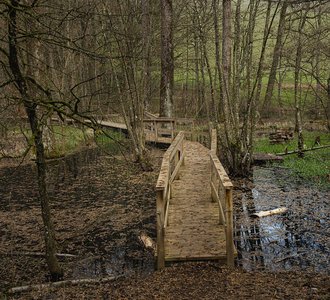
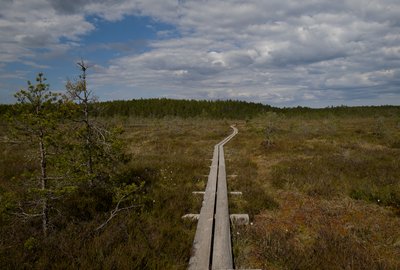
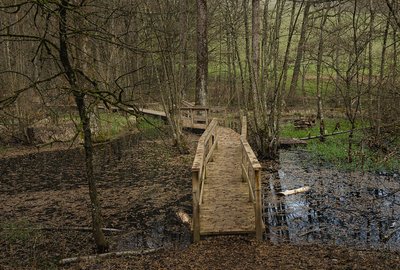
Peatland is fragile. A single set of boot prints through a sensitive bog can persist for years, and eroded peat releases stored carbon. Where boardwalks and stone flags exist, use them even if a direct line looks quicker. Where they do not, try to follow existing footprints or natural lines of firm ground rather than blazing a new trail.
Avoid walking on exposed peat faces in wet weather, when they slump and scar easily. In very dry spells, the same surfaces become crumbly and prone to wind erosion. Neither is a reason to stay home, but both are reasons to tread lightly.
With a bit of practice, bog terrain stops being an obstacle and becomes part of the pleasure. The moors would not be the moors without it.


Open Moor Post

Set the alarm early, sleep on the hill, and you will understand why moorland dawns are worth the cold.